Passive-Aggression in Slack: The Silent Productivity Killer
Spot the hidden passive-aggression in your workplace messages and how to resolve interpersonal friction before it derails team momentum.
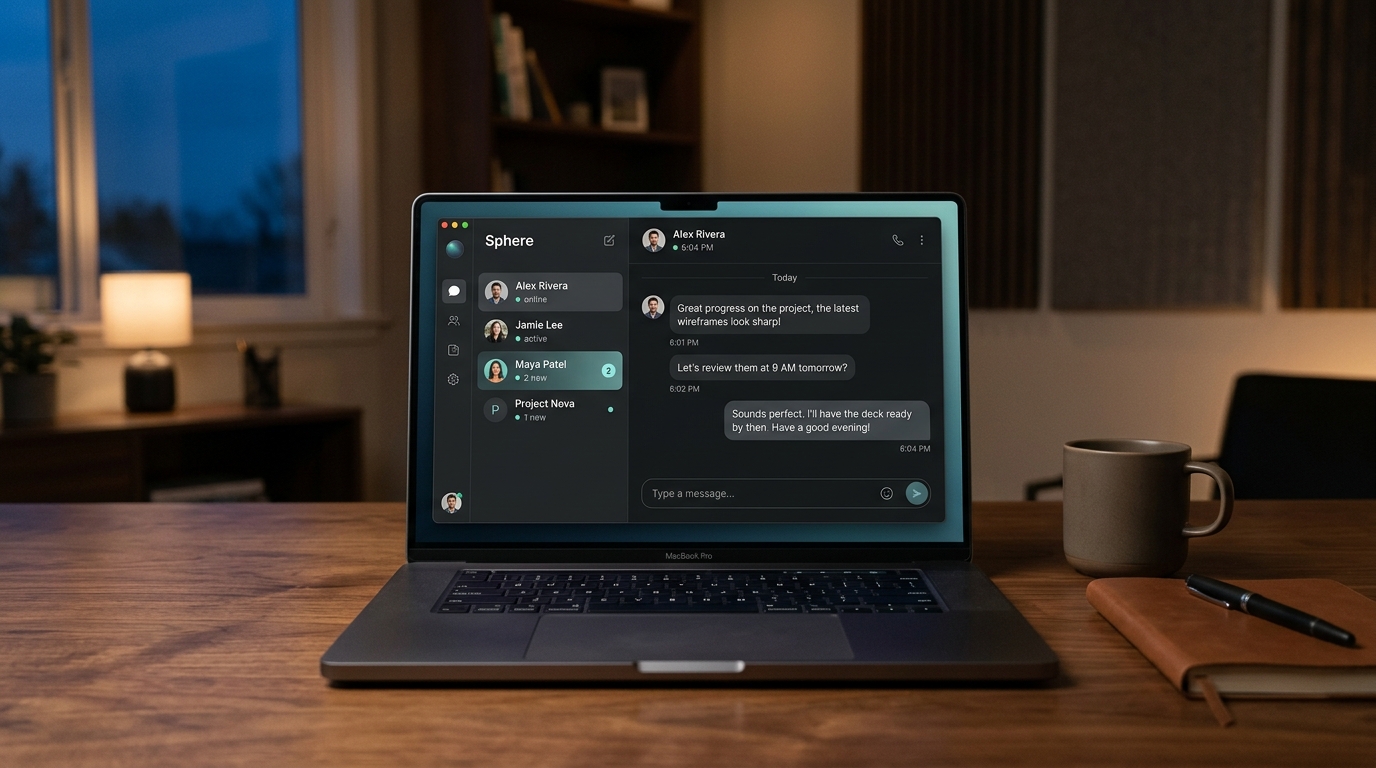
Spot the hidden passive-aggression in your workplace messages and how to resolve interpersonal friction before it derails team momentum.
In physical offices, body language, facial expressions, and vocal tone provide a natural buffer. In modern communication hubs like Slack and Microsoft Teams, those buffers are completely gone. What was meant as a quick status update can easily read as sharp, pointed, or passive-aggressive to a colleague on the receiving end.
This subtle, written friction is a silent productivity killer. It doesn't trigger formal HR escalations, but it slowly wears down psychological safety, breeds resentment, and significantly slows down engineering development velocity.
What is Interpersonal Friction? Interpersonal Friction in written communications refers to the minor emotional misunderstandings, perceived snark, or subtle defensive posture built into messages. Because text lacks acoustic tone and facial expressions, recipients default to reading messages under a negative emotional bias, particularly during stressful deployment cycles.
Text-based passive-aggression often hides behind a veneer of formal politeness. Some of the most common examples include:
The core danger is that the sender often feels they are simply "moving things along." The recipient, however, experiences the message as a micromanagerial nudge, provoking a defensive response.
When teams communicate with subtle barbs, decision-making grinds to a halt. Colleagues begin over-analyzing every syllable, drafting replies in separate notepad files, and delaying responses to avoid conflict.
Instead of focusing on solving technical or business problems, the engineering team spends valuable cognitive bandwidth negotiating the emotional contours of their Slack workspace.
To prevent these friction loops, communication needs to be direct, transparent, and neutral.
Spotting passive-aggression in our own writing is notoriously difficult because we write with our intent in mind, while our colleagues read with their assumptions in mind.
This is precisely why we are building Tonalyzer's Interpersonal Friction detectors. By evaluating drafts against our Passive-Aggression, Condescension, and Performative Bluntness models before they reach Slack, Tonalyzer flags potential friction points and offers neutral, high-clarity alternatives.
Keeping workplace communication calm is not about policing language; it is about protecting the cognitive bandwidth your team needs to ship great work.
Text-based passive-aggression is primarily caused by tone truncation—the absence of vocal pitch, facial expressions, and body language in remote text interfaces (like Slack and Teams). Senders write with rapid efficiency, while recipients filter messages through current stress levels or negative assumptions.
It erodes psychological safety, leading developers to spend excessive time over-drafting messages, delaying responses, or avoiding collaborative communication. This communication tax delays software code reviews, product deployments, and general operational decision velocity.
Transition to direct, active-voice requests with clear context and realistic deadlines. Avoid polite-looking hedges (like "per my previous email") and instead describe the business impact or technical dependencies directly and transparently.