Building Trust: Finding HIPAA Compliant Software Developers in Phoenix
Medical practices and healthcare startups in Arizona require specialized engineering. Learn how HIPAA compliant software developers in Phoenix build secure patient portals.
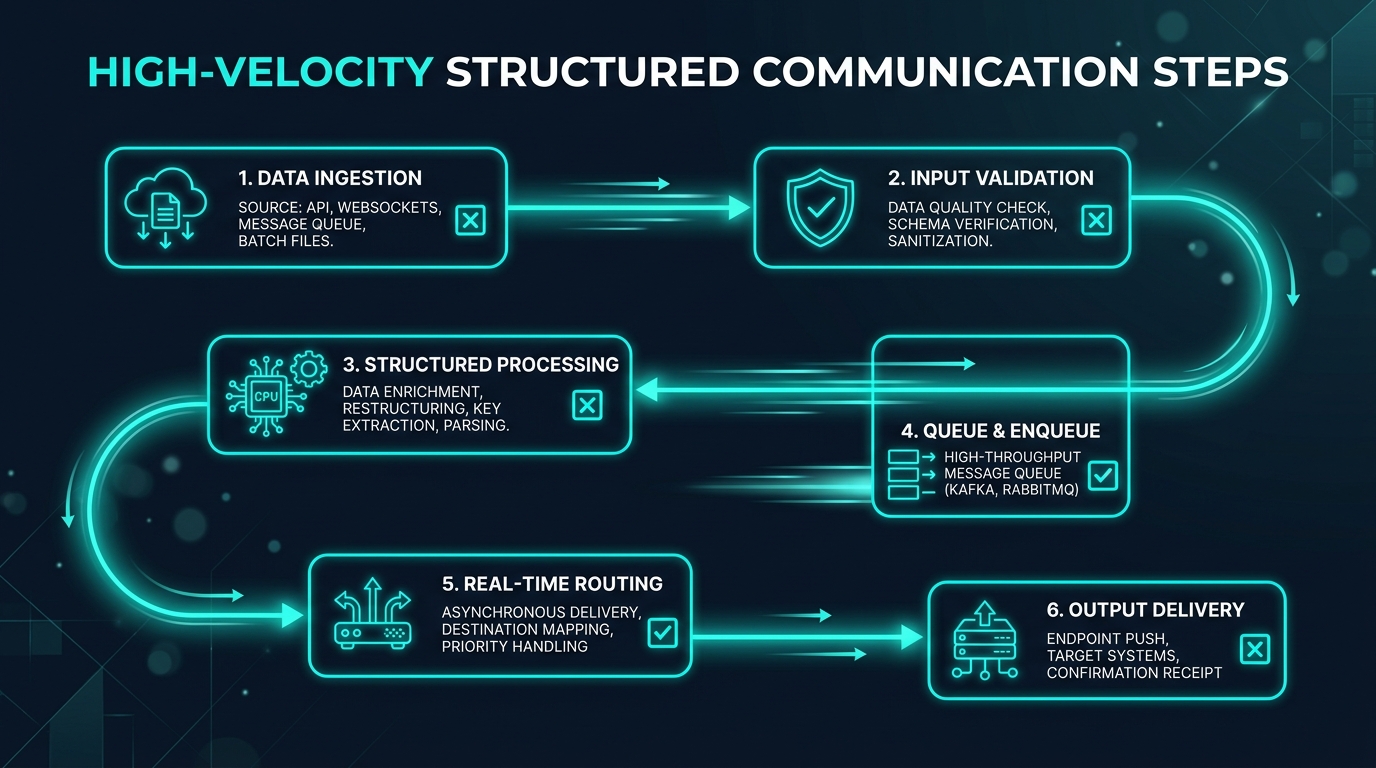
Medical practices and healthcare startups in Arizona require specialized engineering. Learn how HIPAA compliant software developers in Phoenix build secure patient portals.
For medical practices, wellness clinics, and emerging healthtech startups across the Phoenix Valley—from specialized surgical centers in Scottsdale to large telemedicine providers in Mesa—digital innovation must always be balanced with strict regulatory responsibility. Whether you are building a custom patient intake portal, a telehealth video utility, or an internal medical research database, protecting Protected Health Information (PHI) is both a legal requirement and an ethical mandate.
But standard web development practices are not sufficient for the healthcare sector. A single data breach or misconfigured cloud database can lead to massive federal fines, civil lawsuits, and severe, permanent damage to your patient relationships.
To navigate this highly regulated landscape, Arizona healthcare businesses need to partner with specialized HIPAA compliant software developers in Phoenix who understand the deep technical, physical, and administrative safeguards required by federal law.
HIPAA compliance is not a badge you can simply buy or a plugin you can download. It is an ongoing state of engineering and administrative discipline. Every line of code, database query, and cloud hosting configuration must be explicitly designed to keep PHI secure.
Here are the four primary technical pillars of secure healthcare development:
| Security Safeguard | Common Web Development Standard | HIPAA Compliant Engineering Standard |
|---|---|---|
| Data Encryption | Encrypted only during transfer (HTTPS) | Encrypted at-rest (databases, storage) and in-transit (TLS 1.3) |
| User Access Control | Single login credentials, basic cookies | Multi-factor authentication, role-based access, strict auto-timeouts |
| Detailed Audit Logs | Minimal server logs, easily overwritten | Immutable, time-stamped logs of every single PHI access, view, or change |
| Server Hosting | General-purpose cloud host (e.g., standard shared VPS) | Dedicated cloud environment with a signed Business Associate Agreement (BAA) |
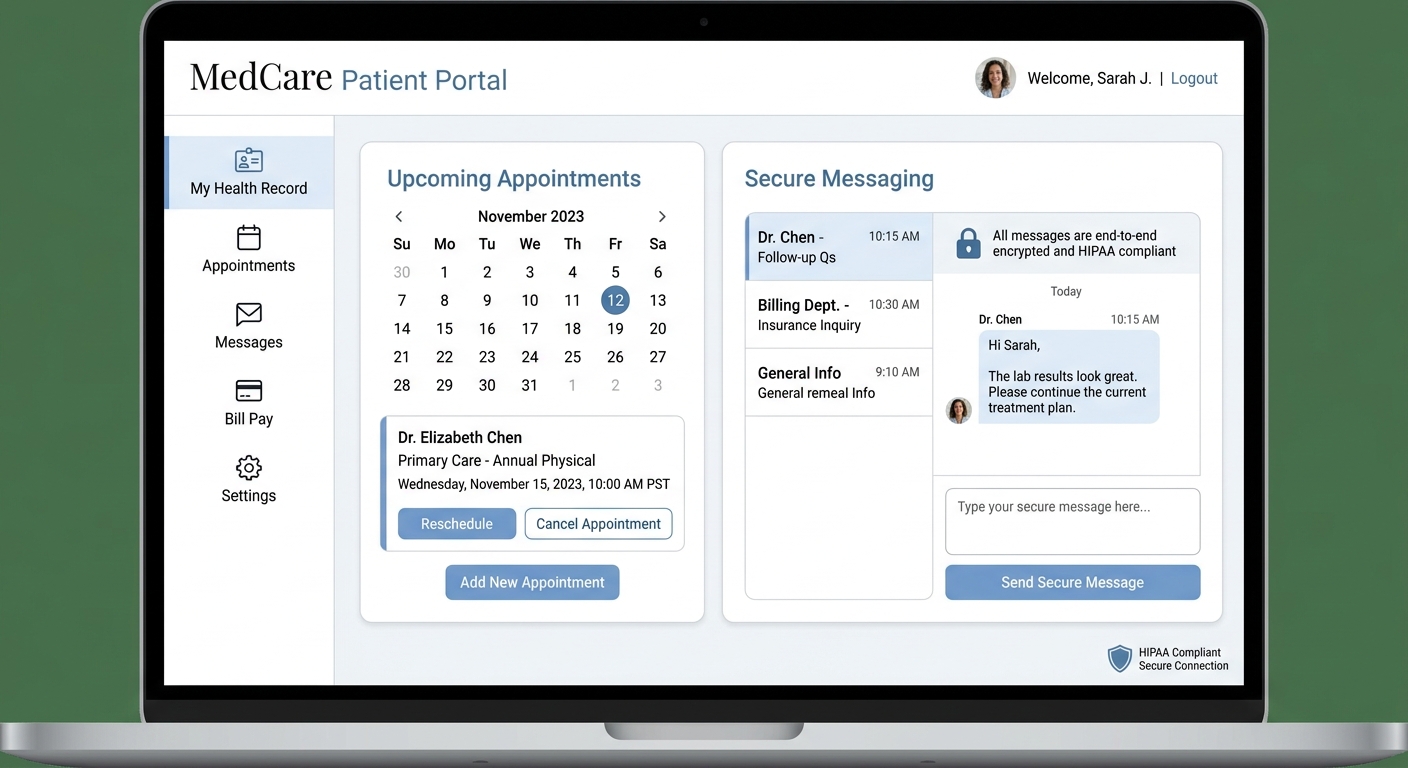
You cannot host HIPAA-compliant software on a standard $10/month shared server. Federal regulations require that any vendor who touches PHI—including your cloud hosting provider like AWS or Google Cloud—must sign a Business Associate Agreement (BAA). A specialized development agency will configure this secure infrastructure for you on day one.
If your practice in Maricopa County is already running patient portals, intake forms, or digital scheduling systems, it is vital to audit your tools regularly to identify compliance vulnerabilities before an auditor does.
Ensure your medical platform satisfies this quick security checklist:
At Larsen Code Labs, we engineer custom, high-performance web applications with security as an uncompromising default. Our Phoenix web app security consulting practices are woven directly into our development lifecycle. From designing secure patient registration portals to syncing healthcare data via secure APIs (learn more from our Phoenix API integration experts), we build the stable technical foundations your practice needs to scale safely.
HIPAA compliance in software engineering requires implementing strict technical safeguards to protect electronic Protected Health Information (ePHI). This includes building end-to-end data encryption systems (both in transit and at rest), implementing multi-factor authentication, generating immutable and searchable user audit logs, and hosting the application on cloud servers that formally agree to a Business Associate Agreement (BAA).
Yes. We can build custom patient intake systems, scheduling calendars, or billing interfaces that securely communicate with your existing Electronic Health Records (EHR) software (like Epic, Cerner, or specialized local EMRs). We design secure, authenticated API bridges that transfer data back and forth without compromising the compliance boundaries of either system.
When developing HIPAA compliant software, we deploy your application to dedicated, healthcare-eligible environments on major cloud networks (like AWS, Google Cloud, or Microsoft Azure). We then guide you through the process of executing a formal Business Associate Agreement with the hosting provider, establishing the legally required foundation for cloud-hosted healthcare platforms.